Action Alert: Protect Public Access to Kansas Navigable Rivers – Act Now on HB 2495
Dear Friends of the Kaw Members,
Kansas House Bill 2495 is currently under consideration by the Kansas Legislature. This bill would grant counties new authority to regulate “activities on or within” navigable rivers, including the Kansas, Arkansas, and Missouri Rivers, and expand criminal trespass to cover these rivers. In Kansas, this means that these rivers are the only fully public rivers in the state.
What Is HB 2495 and Why Should You Care?
Kansas House Bill 2495 would change how navigable rivers—including the Kansas, Arkansas, and Missouri Rivers—are managed and used by the public.
In simple terms, the bill would:
- Allow counties to regulate activities “on or within” our three navigable rivers (counties already possess broad authority to protect public health, safety, and welfare, making this bill unnecessary).
and
- Expand criminal trespass laws to include those three navigable rivers.
That may sound technical, but the impact is very real.
Why This Is a Problem
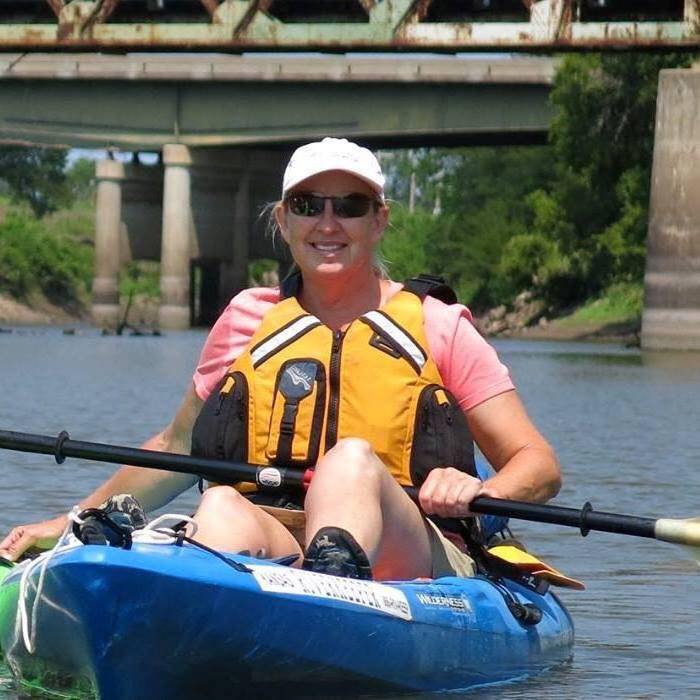
For generations, Kansans have used these rivers for fishing, hunting, paddling, and camping. These are quiet, low-impact activities that are widely understood to be lawful public uses of navigable rivers – which are public land, owned by the people of Kansas, not individual counties.
HB 2495 could change that by:
- Letting each county create its own rules for river use.
- Creating confusion as rivers cross multiple counties, often on opposite sides of the river at the same location.
- Turning ordinary recreation on public land into a potential criminal offense, even when someone is acting responsibly and following state laws.
In short, lawful recreation could depend on county decisions, and violations could carry criminal penalties.
Kansas rivers are shared, statewide resources. Laws that affect them should be clear, consistent, and protective of public access.
How You Can Take Action: Submit Written Testimony
Legislators need to hear directly from people who care about Kansas rivers. HB 2495 is scheduled for a hearing in the House Committee on Local Government on Wednesday, February 4, 2026. Submit your written testimony and tell them about your concerns.
Step 1: Write Your Message
Your testimony does not need to be long or technical. A few paragraphs are enough. You can:
- Explain how you use Kansas rivers (fishing, paddling, hunting, camping, family outings, etc.)
- Share why public access matters to you.
- Ask legislators to oppose HB 2495.
Personal stories are especially effective.
Key Talking Points You Can Include:
- HB 2495 would allow counties to regulate activities on rivers, creating inconsistent rules. Point out that the Kansas River has counties on opposite sides of the river along most of its length, adding to more confusion.
- Low-impact recreation like fishing, hunting, camping, and kayaking should remain protected.
- Expanding criminal trespass to rivers could criminalize lawful activities.
- Counties already possess broad authority to protect public health, safety, and welfare, making this bill unnecessary.
- Legislation should maintain consistent, statewide standards and clearly protect lawful river use.
- Cities along the Kansas River are developing the riverfront through their respective communities and are relying on the economic development that will come from a fully activated riverfront. These cities include Manhattan to Topeka to Kansas City, Kansas including Rock Island Bridge.
Step 2: Submit Your Written Testimony
Written testimony can be submitted to the Kansas House Committee on Local Government by email. Testimony is typically accepted:
- As a PDF document emailed to H.Local.Govt@house.ks.gov. Submit it no later than 9:00 AM on Tuesday, February 3, 2026.
- Clearly state your name (the conferee) and your position (opponent) in the subject line of your email.
- See all the guidelines here:
https://kslegislature.gov/li/b2025_26/committees/misc/ctte_h_loc_govt_1
/confereeguidelines.pdf
Step 3: Consider Oral Testimony
In addition to written testimony, you can give oral testimony either in person at the Kansas Capitol or virtually. You must contact the Kansas House Committee on Local Government by email to make your request. Please read this document for guidelines:
https://kslegislature.gov/li/b2025_26/committees/misc/ctte_h_loc_govt_1
/confereeguidelines.pdf
Step 4: Contact Your Legislator
In addition to committee testimony, you can email your own Representative and ask them to protect public access to navigable rivers. Find your legislator: https://pluralpolicy.com/find-your-legislator/
Step 5: Attend the Hearing or Watch Virtually
The hearing is scheduled as follows:
Committee on Local Government
Wednesday, February 4, 2026
9:00 AM
Room 281-N at the Kansas Capitol
Committee page: https://kslegislature.gov/li/b2025_26/committees/ctte_h_loc_govt_1/
Committee YouTube page to watch online: https://youtube.com/playlist?list=PLGnUWv2THZAjolcVP2PEKRbQpGMzd3Wkw&si=8p5ko42ISsthz_rU
Why Your Voice Matters
Bills like HB 2495 move quickly—and lawmakers often hear more from government agencies than from everyday river users. Speaking up helps ensure that real-world impacts on recreation and public access are part of the conversation.
The Kansas River belongs to all of us. Let’s make sure the laws reflect that.
Thank you for standing up for public access, recreation, and the health of Kansas rivers.
For the river,
Dawn Buehler
Kansas Riverkeeper


 Paddle safely! Use the links below to quickly access information that impacts river conditions.